Knowing Your Braces-Friendly Diet
If you opted for wire braces, instead of clear aligners, wearing braces and eating at the same time can present a challenging scenario. Whether you’re new at wearing this orthodontic device or have settled down after a year’s wear, it is still possible to damage your braces if you eat the wrong foods or even chew carelessly. Your orthodontist has certainly told you that for the sake of treatment success, as far as the foods to eat are concerned, you must follow some diet recommendations. There are foods that are off-limits and those where a degree of caution is advised.
Hard foods should be avoided. Candies, hard bread like pizza crust, nuts, and hard vegetables like raw carrots can damage wires and brackets. They require a strong bite force that may cause scratches, dents, chips, or worse, breakage of the appliance. If you must, do cook the veggies first or soften hard bread in soup or sauce before eating them. Go for soft fruits like grapefruits, nectarines, kiwi, and tangerines.
Sticky foods like bubble gum, caramel, toffees, peanut butter and other similar treats can stick to the wires and brackets; cleaning them can be cumbersome. Also avoid extra chewy foods like bagels.
Tough meats like beef jerky can loosen the wires and brackets of braces, the same with poorly cooked beef or pork. Dairy products like yogurt and cheese are good alternatives to tough meat. Eggs is another good alternative especially top breakfast foods like bacon.
For deserts, go for pudding, applesauce, smoothies, or ice cream. Avoid snacking on nuts, including peanuts, almonds and cashews, as well as crunchy foods like popcorn or potato chips.
Also consider the following braces-friendly foods: calcium-rich foods like milk, yogurt, cheese, and other dairy. Cook, steam and cut up broccoli, kale, okra, and tofu that are also high in calcium. Take protein-rich foods, as soft meats, tofu, eggs, and beans, or a protein shake healthy breakfast. Soft cheese, too, which can help reduce mouth acidity, a prime cause of tooth decay and irritation in people with braces. An occasional sugar-free candy promotes saliva production, supporting growth of positive bacteria.
Remember, eat the foods that will make the enamel stronger for the better your braces will stick to your teeth. Keep the area around the brackets clean and clear of food to help preserve your teeth and braces.
Learn More About Good Foods for Braces
Know more about the braces-friendly diet from your Bellevue dentist. See us regularly as we journey with you in your orthodontic treatment. We give more than just great food advice.

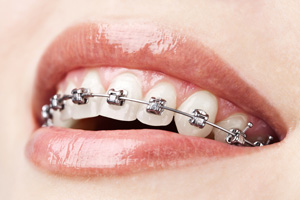 Many people think of braces as something that you get when you’re a child. They are reluctant to pursue braces after they reach adulthood, either because they think they don’t need them or they’re afraid of how it will affect their appearance. This is unfortunate, as such people are depriving themselves of important dental care that could greatly improve their lives.